June 16, 2026
Deep beneath your home's interior lies a silent concrete foundation holding everything together. While it seems indestructible, pipes running underneath can develop hidden problems known as slab leaks. These subterranean issues are tricky to spot early on, but ignoring them can jeopardize your property's structural safety and trigger expensive damage. Spotting the early indicators of this hidden plumbing trouble is vital for protecting your property value and ensuring peace of mind.
Although these plumbing issues hide out of sight, your home drops subtle hints when something goes wrong beneath the concrete. Recognizing these warning signs early allows you to act fast, saving thousands of dollars in restoration bills and avoiding health hazards. Taking immediate action and investing in professional slab leak repair ensures your living space remains dry, stable, and safe. By learning what to look, listen, and feel for, you can protect your largest investment before an emergency strikes.
1. Monitor Unexplained Spikes in Your Water Bills
A sudden jump in your monthly water bill is often the first clue that something is amiss beneath your foundation. Most household water usage remains stable from month to month unless you have recently changed your daily routines or added appliances. Reviewing your statements carefully can reveal unusual spikes in consumption that point directly to an active, hidden water leak. Because water flows constantly from a broken pipe, it accumulates utility charges around the clock without your knowledge.
It is easy to mistake a rising utility bill for seasonal shifts or minor household issues like a running toilet. However, when small fixes do not bring your expenses down, a more severe plumbing issue is likely at play. Since subterranean pipe ruptures are completely concealed, the escaping water quickly saturates the surrounding soil, making it impossible to see the source. If your billing statements show a continuous upward trend, it is time to schedule a professional assessment for a slab leak repair.
2. Check for Sudden Drops in Water Pressure
Experiencing a sudden drop in your home's water pressure is more than just an annoying inconvenience during your shower. When water is constantly escaping through a broken pipe underneath your concrete foundation, it robs fixtures of their necessary flow. This continuous diversion means your showers and sinks will struggle to maintain their usual strong stream. According to This Old House, maintaining your home's water pressure between 50 and 75 pounds per square inch is a great way to prevent a slab leak.
While low pressure can stem from localized clogs, a widespread drop often signals a deeper foundation issue. You can perform basic checks by testing multiple faucets throughout the house to see if the weak flow is isolated. If every fixture feels sluggish and your local provider confirms no neighborhood disruptions, the probability of a leak rises significantly. Securing an expert evaluation can confirm the root cause and determine whether an immediate slab leak repair is necessary.
3. Identify Unusual Damp Spots on Your Flooring
Finding unexpected wet patches or damp spots on your floors is a major red flag indicating water is rising. As water pools under the concrete foundation, it creates hydrostatic pressure that forces moisture upward through tiny structural cracks. This rising moisture eventually reaches your flooring materials, manifesting as mysterious dampness, discolored carpets, or warped hardwood planks. These wet zones often appear out of nowhere in areas far away from visible plumbing fixtures, making them easy to ignore.
Dismissing a damp spot as a simple spill is a mistake, especially when the moisture returns after being dried. Spills dry up naturally, whereas moisture from a broken subterranean pipe will continuously saturate the floor and expand. Over time, this constant exposure leads to permanent staining, buckling tiles, and ruined subfloors that require extensive renovations. Addressing these wet areas promptly protects your structural integrity and prepares the way for a timely slab leak repair.
4. Watch for Sudden Mold and Mildew Growth
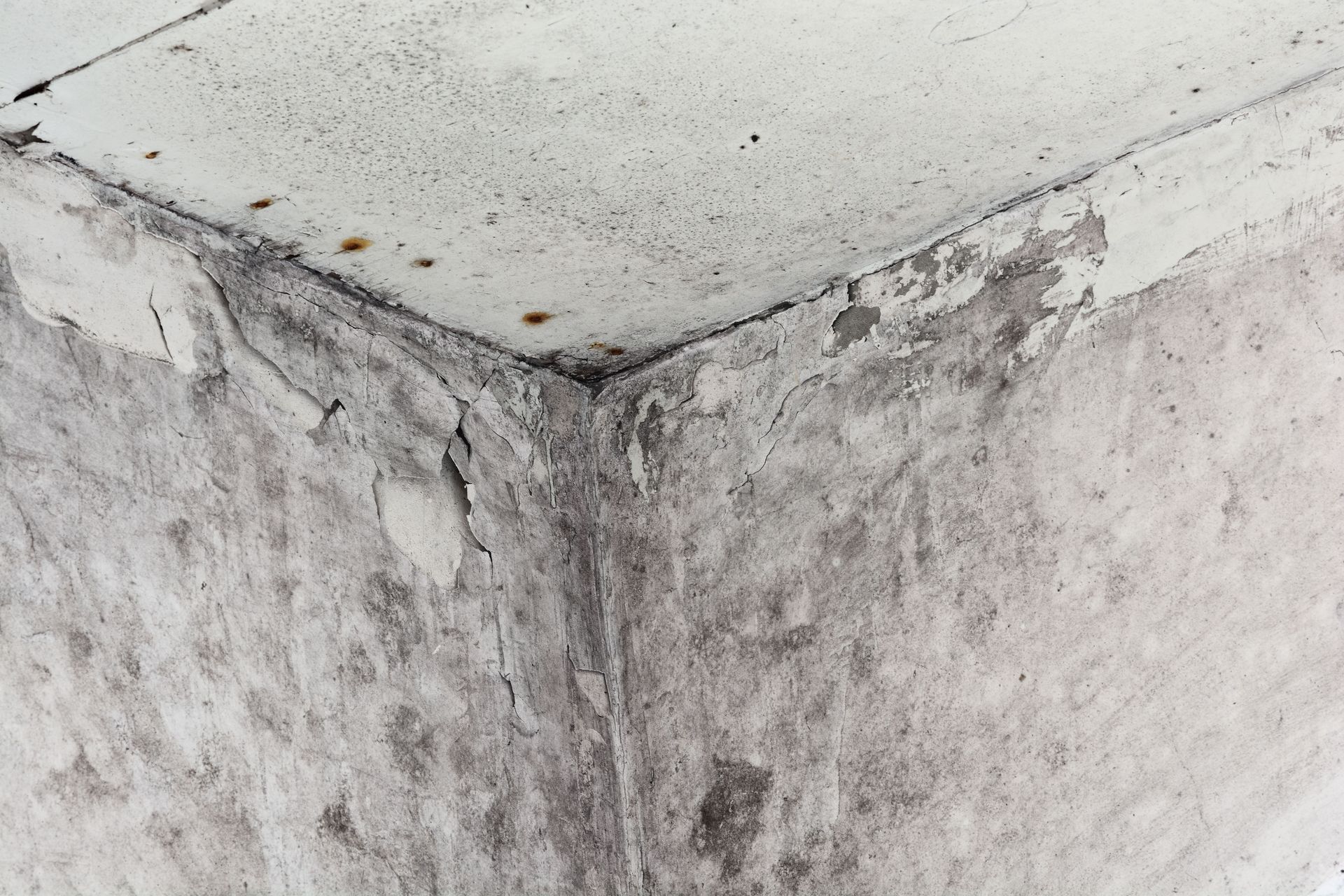
Noticing a sudden outbreak of mold or mildew inside your home is a strong indicator of hidden moisture accumulation. Mold thrives in dark, damp environments, and a broken pipe under your concrete provides perfect conditions for fungi to multiply. The moisture seeps upward into walls, baseboards, and carpeting, creating hidden colonies that give off a distinct, musty odor. Homeowners often notice this unpleasant smell long before they see the physical patches appearing along their floors.
Beyond structural damage, unchecked mold growth poses health risks to everyone living inside the household. Inhaling airborne mold spores can cause respiratory discomfort, chronic coughing, and severe allergic reactions, particularly in vulnerable individuals. Cleaning surface patches with household solutions offers temporary relief, but the fungi will return as long as the water source remains active. Investing in professional slab leak repair stops the continuous water supply, allowing you to dry out your home completely.
5. Detect Strange Temperature Variations Underfoot
Detecting unexpected temperature spots on flooring surfaces can provide a troubling clue about what happens beneath your foundation. When a hot water line ruptures under concrete, the escaping water transfers thermal energy into the slab, creating warm zones. Conversely, a broken cold line creates an uncharacteristically chilly patch that feels completely different from surrounding areas. Walking barefoot across your floors can help you identify these localized temperature anomalies quite easily before major structural problems develop.
Ignoring these strange temperature variations can lead to severe structural complications as thermal transfer weakens flooring adhesives. Many homeowners first notice this issue when pets begin sleeping exclusively on one specific, mysteriously warm spot. Using tools like infrared thermometers can provide accurate measurements to confirm these suspicious temperature differentials across your home's layout. Recognizing these thermal signs early allows you to call for a precise slab leak repair before your foundation cracks.
6. Listen for Phantom Sounds of Running Water
Hearing the faint sound of running water when all your faucets and appliances are turned off is alarming. This phantom sound typically resembles a constant rushing, hissing, or trickling noise echoing faintly from the floorboards. It is crucial to distinguish these abnormal sounds from the regular, brief noises of your plumbing operating normally. When a pipe breaks beneath your concrete slab, water gushes out under pressure continuously, creating a steady noise that never stops.
To isolate the source of the sound, you can walk through your home and identify where it sounds loudest. Turning off your main water valve temporarily helps confirm your suspicions; if the sound stops, you have a leak. Combining this auditory clue with other signs, like damp spots, helps build a clear picture of your plumbing. Reaching out to experts ensures you get a proper slab leak repair before the water washes away supporting soil.
Dealing with a hidden plumbing emergency beneath your concrete foundation feels overwhelming, but staying informed keeps you in control. From billing increases and dropping water pressure to damp patches, mold growth, strange temperatures, and running sounds, your home provides clear indicators. Catching these subtle clues early prevents minor pipe defects from turning into catastrophic foundation failures that compromise your living space. Taking a proactive approach to maintenance saves you from stressful disruptions and protects your financial equity.
When you notice these red flags piling up, delaying action will only increase the eventual cost of structural restoration. Your home deserves the highest level of care, and securing a reliable fix requires specialized plumbing expertise. Relying on experienced professionals ensures the job is completed accurately, safely, and efficiently without causing further damage. If you suspect your foundation is at risk, contact us today at Culpepper Plumbing Services.